︎ DECLUTTER & Decoding: Designing Routines, Meaning, and
Independence for Rose
Our project reframes Rose’s cluttered, overwhelming home environment into a supportive “family health hub.” By simplifying daily decision-making, embedding meaningful routines, and designing responsive storage and activity zones, we help Rose manage TD1M with more confidence and autonomy while reducing stress for her mother, Vivienne.
By Guanjingchan Xu ︎ , Man Hei Chong ︎, Minza Shadid ︎, & Hitanshi Vaidya ︎,

Who
Our design focuses on Rose, an 8-year-old girl with T1DM. From our observations, her home is cluttered with needles, as she lives with her brother, who is also diagnosed with T1DM. She has expressed a fear of needles, and we are concerned that her current living environment may exacerbate this fear and impact her well-being in the long term. Since T1DM is a lifelong health condition, we anticipate that growing up in such an environment could negatively affect her quality of life and future management of the disease.
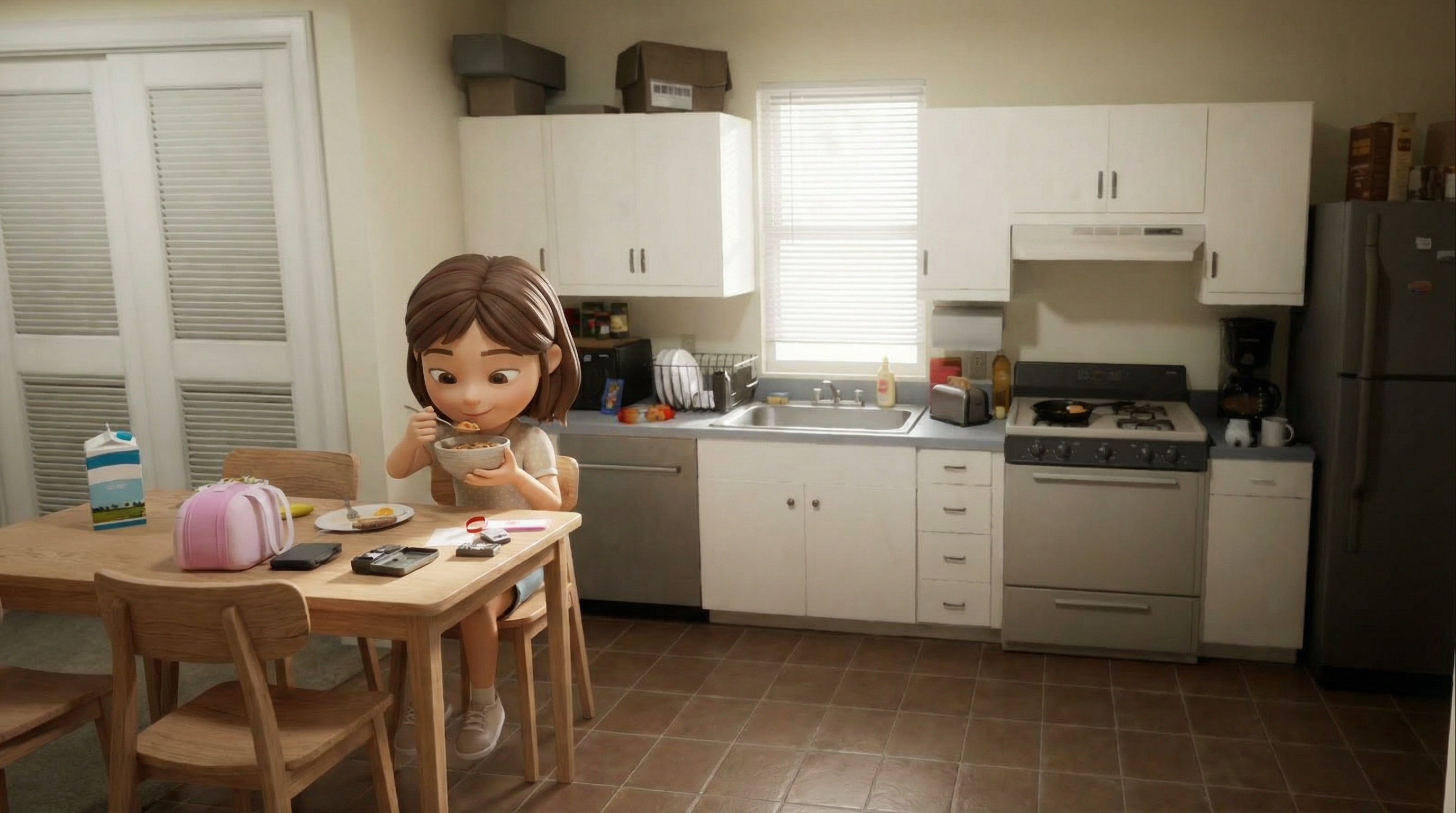
Image generated by Google Gemini
Why
Children like Rose, diagnosed with T1DM at a young age, require holistic support to navigate their unique health challenges. As Rose approaches adolescence, fostering her emotional resilience becomes critical, empowering her to embrace her health is essential for her long-term well-being. The Declutter & Decode proposal addresses these needs by incorporating thoughtful design interventions that create a nurturing and organized home environment, promoting effective self-care and the establishment of healthy habits. This supportive atmosphere not only helps reduce the anxiety associated with T1DM management but also cultivates a sense of control and
confidence in Rose. By creating a space that empowers her, the proposal aims to equip Rose with the skills and mindset necessary to face her health challenges head-on, ultimately leading to a more positive and fulfilling future.
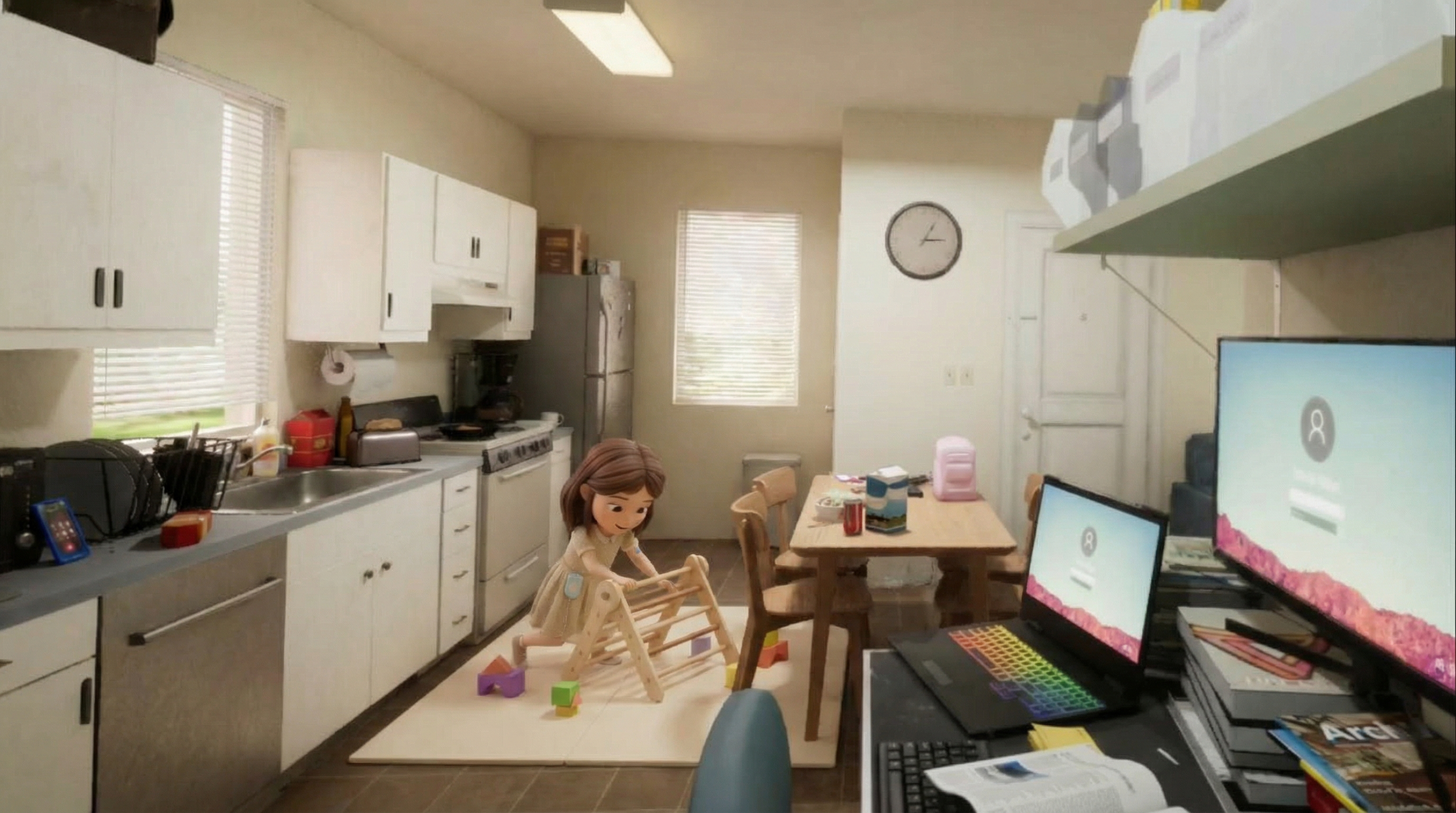
Image generated by Google Gemini
How
Decluttering is a process that begins with achieving physical clarity, mental ease, and emotional empowerment. Together, these elements lead to two direct outcomes: reducing anxiety and decision fatigue, and improving daily routines and self-management. Decoding offers the ability to navigate the complexities of diabetes and overall health andwell-being. This starts with gradually learning the essential "survival skills" for managing diabetes, allowing for informed health decisions that encompass different health pillars. Equally important is cultivating a resilient mental state that promotes ongoing learning and personal growth. Ultimately, all of these components contribute to our primary goal: empowering Rose to live confidently with T1Dm. Decluttering is not merely a one-time act of cleaning, it is an ongoing process of designing clarity, calmness, and confidence into everyday life. Similarly, decoding
represents a lifelong journey of unraveling the intricacies of health, guiding individuals to make informed decisions that culminate in a fulfilling and vibrant life.
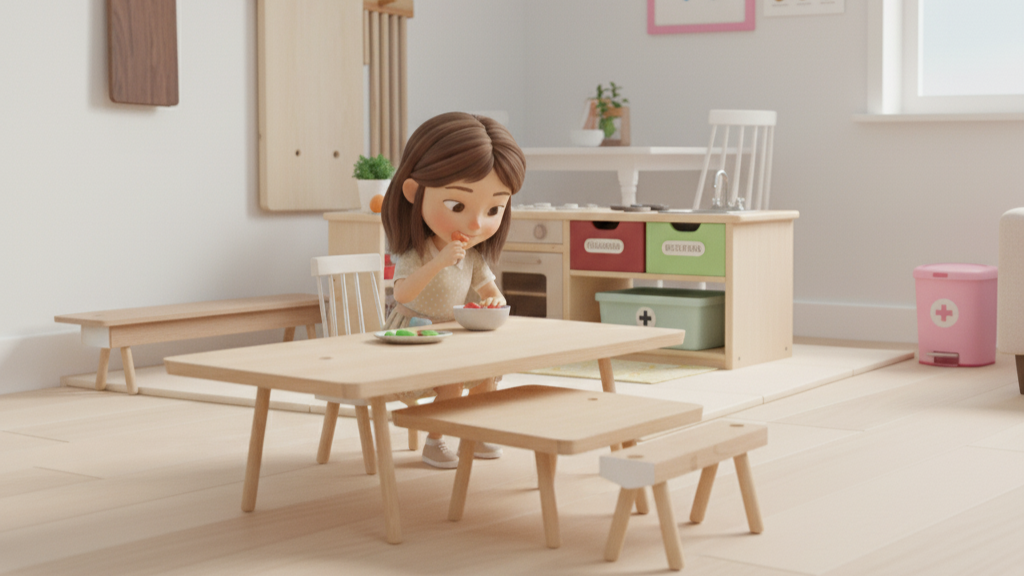
Image generated by Google Gemini
What
The health outcomes from the Declutter & Decode design interventions are aimed at empowering children with T1DM. This approach is not a quick-fix solution, rather, it is a design strategy that evolves as Rose grows older and becomes more independent in managing her care. By decluttering and simplifying her environment, we can help her form healthy habits that remain effective as she matures. To effectively address these challenges through design, it is essential to create spaces that promote flexibility, engagement, and comfort, allowing children to thrive and prepare for future self-management.
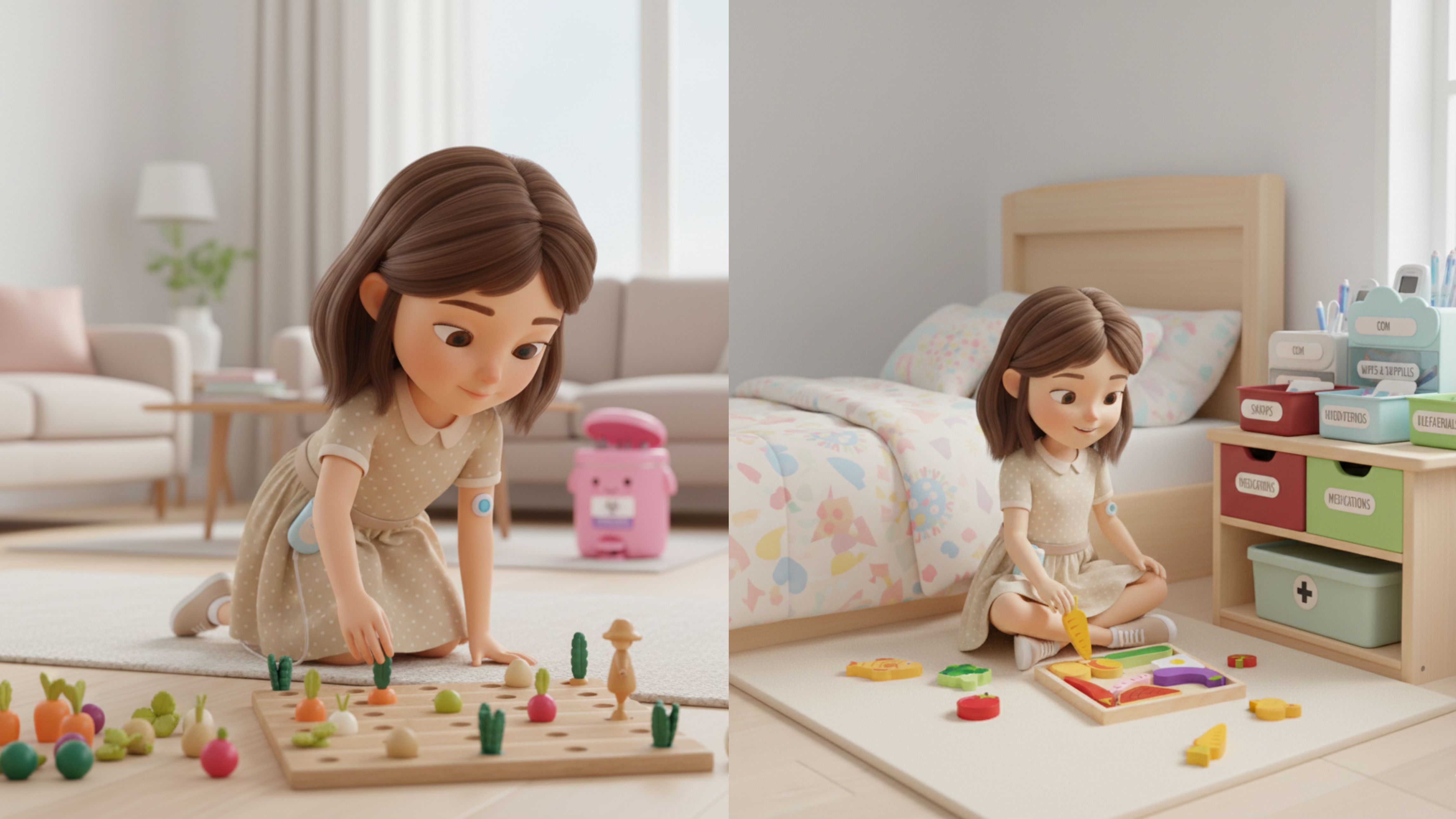
Image generated by Google Gemini
So What
The impact of chronic conditions like T1DM on children's lives is profound, necessitating innovative solutions that foster resilience and empowerment. By implementing the Declutter & Decode intervention, we can significantly enhance the well-being of children like Rose, equipping them with the skills, knowledge and mentality they need to manage their health with confidence. Declutter & Decode not only addresses immediate challenges such as anxiety and stigma but also lays the groundwork for long-term self-care and healthy habit formation. As we prepare children for an increasingly complex future, our design interventions create supportive environments that adapt to their evolving needs, empowering them to thrive amidst life's uncertainties.
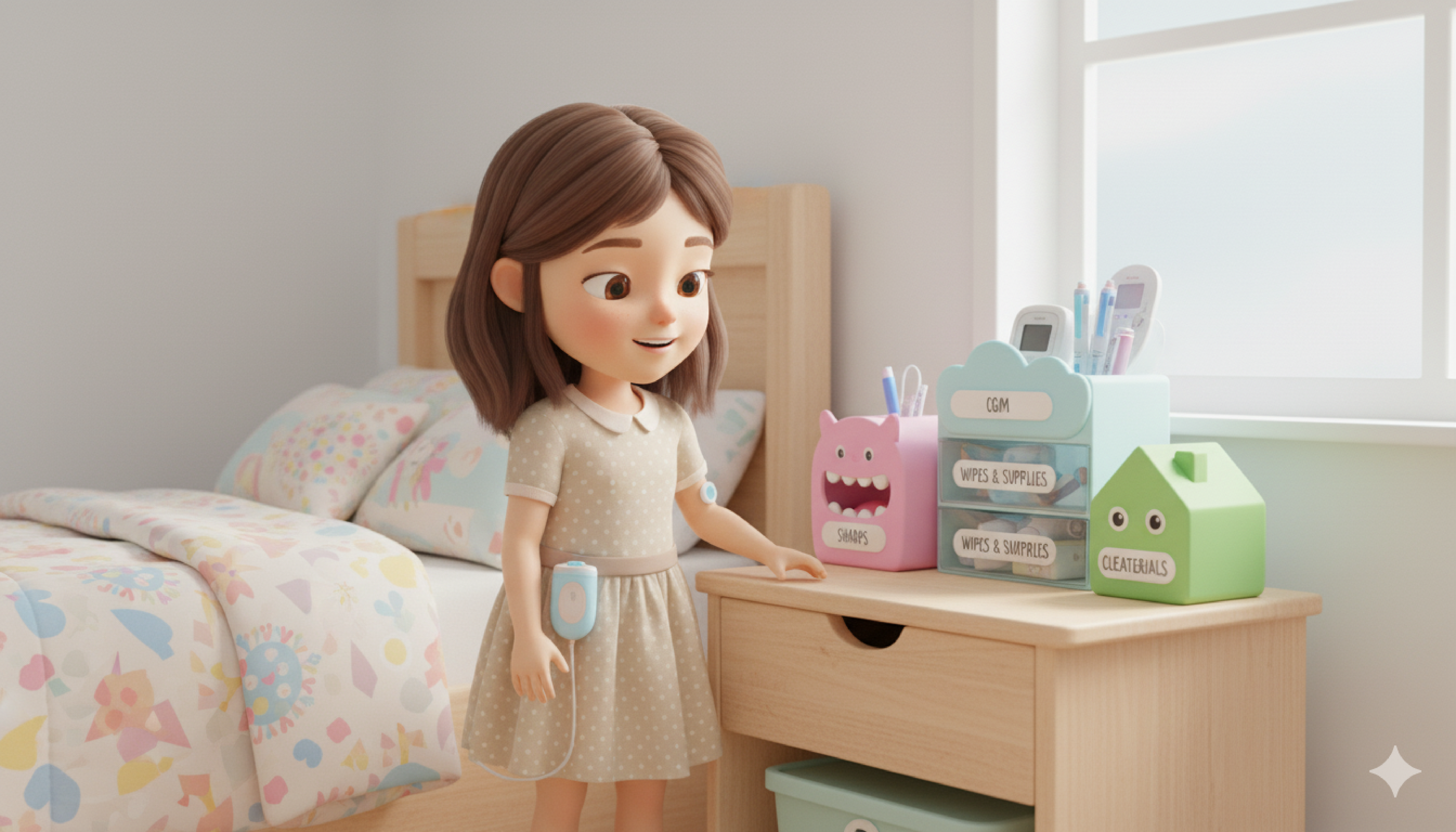
Image generated by Google Gemini
Design To Outcomes
The opportunity space spans Rose’s physical, mental, and digital needs: organised environments reduce chaos, stimulating activities support emotional growth, and digital tools strengthen her tenacity in managing diabetes and enable simple self-reporting.
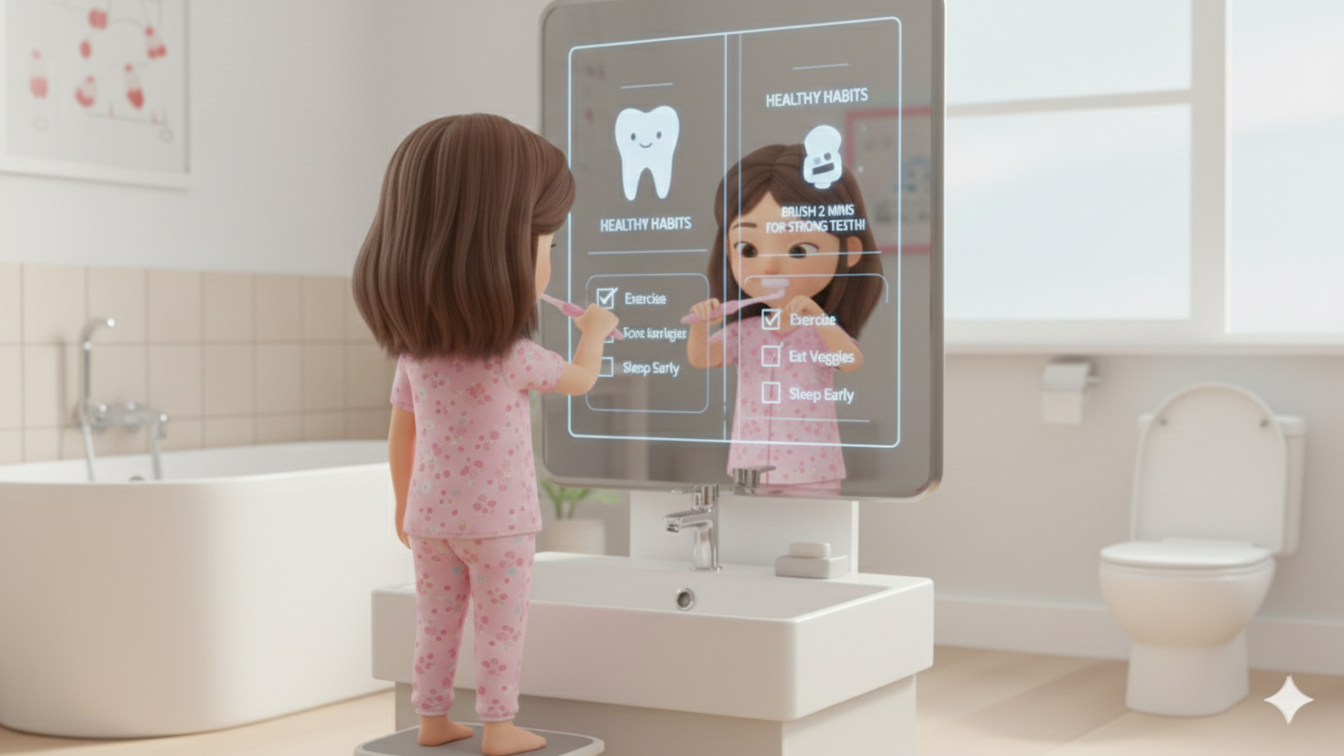
Image generated by Google Gemini
Links to Follow:
︎︎︎Report
︎︎︎Miro Board
︎
Works Cited
2. Sun Z, Zhang W, Wang J, Zhang Y, Wu Y. The Illness Experiences of Adolescents with Type 1 Diabetes Mellitus: A Qualitative Meta-synthesis. Asian Nurs Res. 2024;18(3):313-321.doi:10.1016/j.anr.2024.07.004
3. Waldron R, Bell C. Emotional wellbeing in children and young people with diabetes. The Pharmaceutical Journal. June 2, 2023. Accessed November 20, 2025. https://pharmaceutical-journal.com/article/ld/emotional-wellbeing-in-children-and-young-people-with-diabetes